Clinical Aphasiology Conference – Reflection and Connection
By Sarah Kiefer Luhring, M.A., CCC-SLP, ATP

Attending the 2026 Clinical Aphasiology Conference (CAC) in Pittsburgh was especially meaningful after nineteen years of practice as a speech-language pathologist. CAC continues to offer a rare space where research, clinical innovation, and the lived experiences of people with aphasia (PWA) converge. This year’s conference reinforced a principle that has guided my work: effective aphasia care must be evidence-based, participation-focused, and sustained by collaboration.
One of the most memorable aspects of CAC was connecting in person with colleagues in the Pittsburgh Aphasia Rehabilitation Training Network and Residency (PARTNeR) program. PARTNeR, an offshoot of the Pittsburgh VA’s Program for Intensive Residential Aphasia Treatment and Education (PIRATE) program, was developed to expand access to intensive aphasia therapy, particularly in rural and underserved areas through a national network of Department of Veterans Affairs (VA). Although we are located across the country, all PARTNeR clinicians received training through PIRATE and maintain affiliations with the Pittsburgh VA. For many of us, CAC was the first opportunity to meet face-to-face after building professional relationships through regular virtual meetings.
Those meetings have become an important source of clinical support. We share current information and resources, exchange contacts, present challenging cases, and seek one another’s perspectives on providing high quality, evidence-based aphasia. In my experience, this type of ongoing professional community is essential and reflects that of ANCDS. Aphasia intervention can be complex, and the opportunity to consult with colleagues who understand both the clinical evidence and the unique context of care for PWA strengthens our decision-making and helps prevent professional isolation.
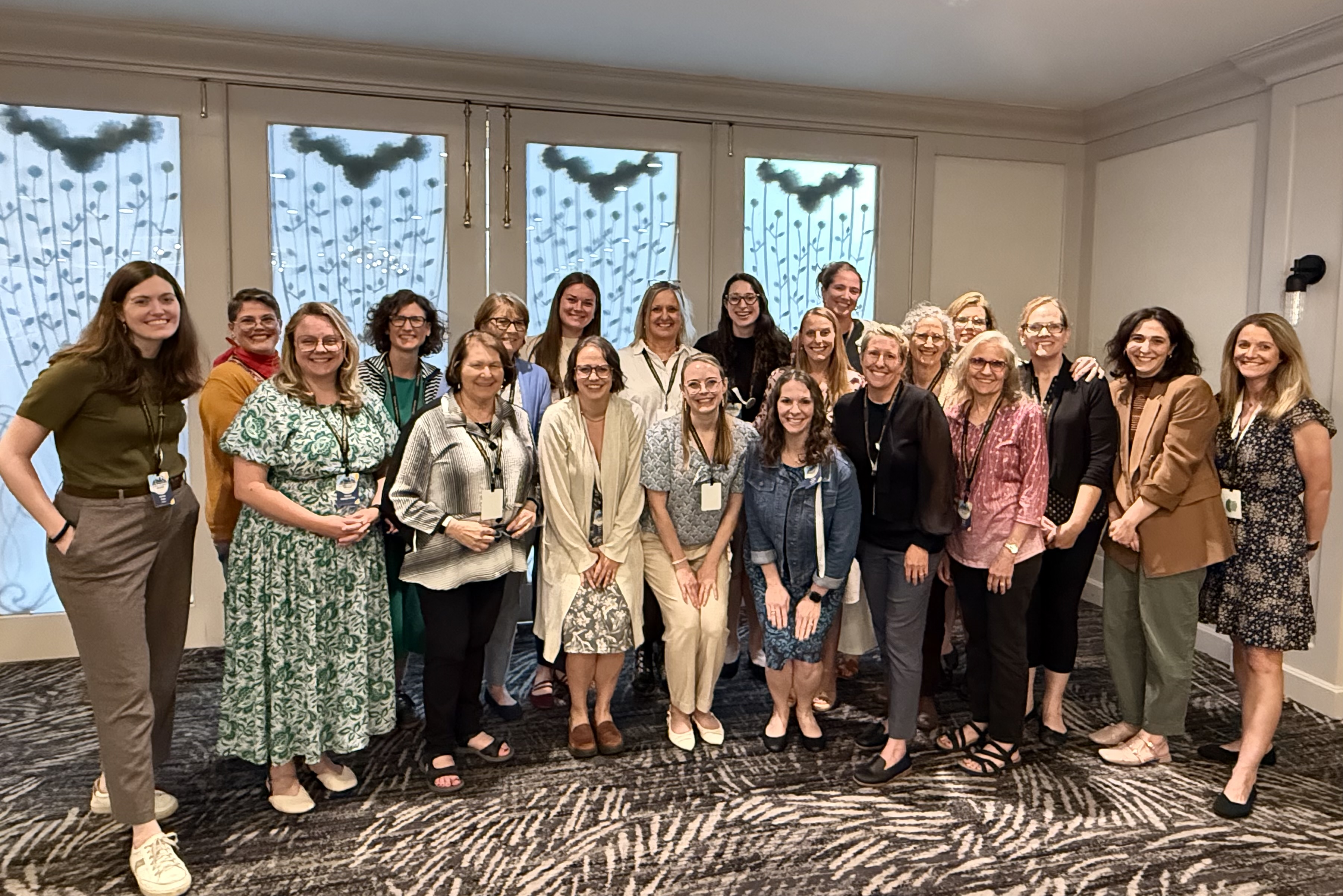
Meeting many colleagues at CAC brought that network to life. Conversations that had previously taken place on a screen continued over conference sessions, meals, and informal discussions. We were able to compare clinical approaches, discuss how research findings might translate into practice, and reflect on shared goals for improving access to intensive, meaningful therapy for PWA.
CAC reminded me that progress in aphasia rehabilitation depends not only on strong research and skilled individual clinicians, but also on connected systems of care. The PARTNeR program exemplifies how PIRATE training, sustained affiliation with expert institutions, and national collaboration can extend specialized aphasia services beyond a single site. As speech-language pathologists, we are stronger when we learn from one another, and our patients benefit when that collaboration informs the care we provide.