|
In This Issue...
- President's Message
- Student Fellow Spotlight
- Clinical Aphasiology Conference – Reflection and Connection
- Board Certification Spotlight
- Fall Mentoring Sessions: ANCDS Board Certification
- Committee Updates
- Montana Speech-Language-Hearing Association
- ASHA Announcements
- National Aphasia Association Updates
- Upcoming Meetings and Conferences
- Member Accomplishments
ANCDS Board/Officers
Catherine Off, Ph.D., CCC-SLP
President
Michael de Riesthal, Ph.D., CCC-SLP
President-Elect
Miriam Carroll-Alfano, Ph.D.
Secretary
Neila Donovan, Ph.D., CCC‐SLP
Treasurer
Melissa Duff, Ph.D.
Immediate Past President
Jennifer Lundine, Ph.D., CCC-SLP, BC-ANCDS
Executive Board Member
Jamila Minga, Ph.D., CCC-SLP
Executive Board Member
Adele Raade, Ph.D., BC-ANCDS
Executive Board Member
Ramani Voleti, M.S., CCC-SLP, BC-ANCDS
Executive Board Member
Stacie Raymer, Ph.D.
ANCDS Archivist
Audra Yetter, M.S., CCC-SLP, BC-ANCDS
Chair, Board of Clinical Certification
Janet Patterson, Ph.D., CCC-SLP
Chair, Board of Residency Education
Sheryle Hazard, CAE
Executive Director
ANCDS Board Certification
Why become Board Certified?
- Recognizes your advanced clinical knowledge and skills
- Enhances your confidence in your clinical knowledge and skills
- Enhances consumer and referral source confidence in the care you can provide
- Encourages professional growth through the continuing education required for the maintenance of board certification
- Provides a respected credential to support professional advancement
Click here to learn more about the application and certification process.
Welcome New Members!
Full Members
Caroline Gammill
Evin Johnson, M.A., CCC-SLP
Jennifer Kile, M.S., CCC-SLP
Kristen Lewandowski, M.A., CCC-SLP
Lisandra Marrero Montes, M.S., CCC-SLP
Rachel Wynn, M.S., CCC-SLP
Clinical Fellow and Student Members
Dymonshanare Diggs
Rosanne Gangi-Gaertner, M.A., CCC-SLP
Kaitlin Moore
Patrycja Puzio, M.S., M.A., CCC-SLP
Congratulations to the New Board Certified Clinicians!
Olga Johnson, M.S., CCC-SLP, BC-ANCDS
Tyler Roman, M.A., CCC-SLP, BC-ANCDS
On-Demand CE Offerings (Expiring 12/31/26)
Webinar: Hearing the Patient's Voice: Cases with Speech Pathology and Palliative Care
Webinar: Supporting Older Adults with Intellectual and Developmental Disabilities
2025 Annual Scientific Meeting Lecture Recordings
REDI Self-Study Course: Freedom of Discomfort
ANCDS members have access to view past webinar recordings (no longer available for ASHA CEU credits) at your convenience.
ANCDS Merch
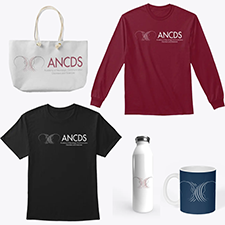
Show your ANCDS pride at your office, home, and everywhere you go with exclusive ANCDS logo items! From coffee mugs to t-shirts, ANCDS merch makes for great gifts for colleagues, employees, friends, family, and yourself!
Start Shopping!
Contact Us
ANCDS
2345 Rice Street, Suite 220
St. Paul, MN 55113
Online: www.ancds.org
Email: [email protected]
Phone: 651-925-5528
Fax: 651-317-8048
Have feedback or suggestions for the newsletter? Contact us here!
|
President's Message
Dear ANCDS Members, Friends, and Future Members,
What an extraordinary time it is to be part of the Academy of Neurologic Communication Disorders and Sciences (ANCDS). As we set out on the adventure towards our 40th Anniversary in 2028, I am proud to report that ANCDS is not simply celebrating years—we are building something wonderful. For this newsletter, I am excited to share details about our upcoming annual meeting, to reflect on expanding our focus on disorders across the lifespan, and to share an important call to action for our members.
Announcing the 2026 ANCDS Annual Scientific and Business Meeting
I am delighted to announce that the 2026 ANCDS Annual Scientific and Business Meeting will be held on Wednesday, November 18, 2026, in Indianapolis, Indiana. This year’s meeting theme is:
“Motor Speech Disorders Across the Lifespan: From Foundational Perspectives to Practice Innovations”
Indianapolis marks the first stop in a three-city journey—Indianapolis, New Orleans, and, finally, Denver—where we will come together for our 40th Anniversary celebration. Each of these meetings is being thoughtfully designed to align themes, speakers, and content with the expertise and spirit of its location. We are investing deliberately in these in-person gatherings as a strategic commitment: to bring our community together, to reach out to those who are looking for a community, to reflect on what our field has achieved, and to inspire emerging specialists in acquired neurologic communication disorders. Through these meaningful actions we will ensure that our Anniversary year in Denver arrives with energy and purpose. We hope you will all join us for this 3-year journey! Details about the Indianapolis program are posted to the website, and registration is now open! I hope that I will see you there!
Expanding Our Lens: Neurologic Communication Disorders Across the Lifespan
The theme of this year’s meeting is not accidental. It reflects a deliberate and important evolution in our Academy’s focus. ANCDS has always championed excellence in the assessment and treatment of acquired neurologic communication disorders, and we remain deeply committed to that expertise. But we also recognize that we must focus on neurologic communication disorders that are acquired across the entire lifespan.
We know that children and adolescents living with neurologic conditions, whether from acquired injuries or diseases, deserve the same rigor of specialized, evidence-based care. ANCDS is committed to deliberately expanding our scope to include acquired neurologic communication disorders across the full lifespan, including pediatrics. This means broader educational programming throughout the year, expanding our membership community, and developing scientific meeting agendas that bridge foundational science with innovations in practice for clinicians and researchers who serve people of all ages. The 2026 meeting theme is our opening statement. I look forward to continuing this conversation together.
With Gratitude: Acknowledging Our Sponsors
The meaningful work of ANCDS is made possible in part through the generosity of our meeting sponsors. We are deeply grateful to all those who invest in our mission and we are honored to recognize those who have jumped aboard to sponsor the upcoming 2026 ANCDS Annual Scientific and Business Meeting. A special thanks to first-time sponsor, Mayo Clinic!
If your organization is interested in supporting ANCDS and connecting with our community of specialists, please reach out to learn more about sponsorship opportunities.
ANCDS Runs on Volunteers: We Need You
ANCDS is a volunteer-driven organization. Every committee, every resource, every initiative that advances our mission depends on members who give their time, expertise, and energy. If you have been on the sidelines, or are ready to develop your leadership skills, now is the perfect moment to step in.
The REDI Committee is actively looking for member allies who are passionate about fostering a more inclusive, equitable, and welcoming community. You do not need to be an expert in DEI work to contribute. ANCDS needs people to care, to listen, and to brainstorm ways to foster community. If that sounds like you, I encourage you to reach out.
Beyond REDI, many of our committees are welcoming engaged members who want to make a difference. Whether your interest lies in education, certification, research, communications, or strategic planning, there is a place for you at the table. Volunteering with ANCDS is one of the most direct ways to shape the future of our field, and to build relationships with colleagues who share your commitment.
To express interest in volunteering, please complete this form. We would love to hear from you.
We are in a season of momentum, of intention, and of community. I am grateful to each of you for being part of ANCDS, and I look forward to seeing many of you in Indianapolis this November. Until then, thank you for all that you do to advance the science and practice of neurologic communication disorders for people of all ages and across all stages of life.
With gratitude,
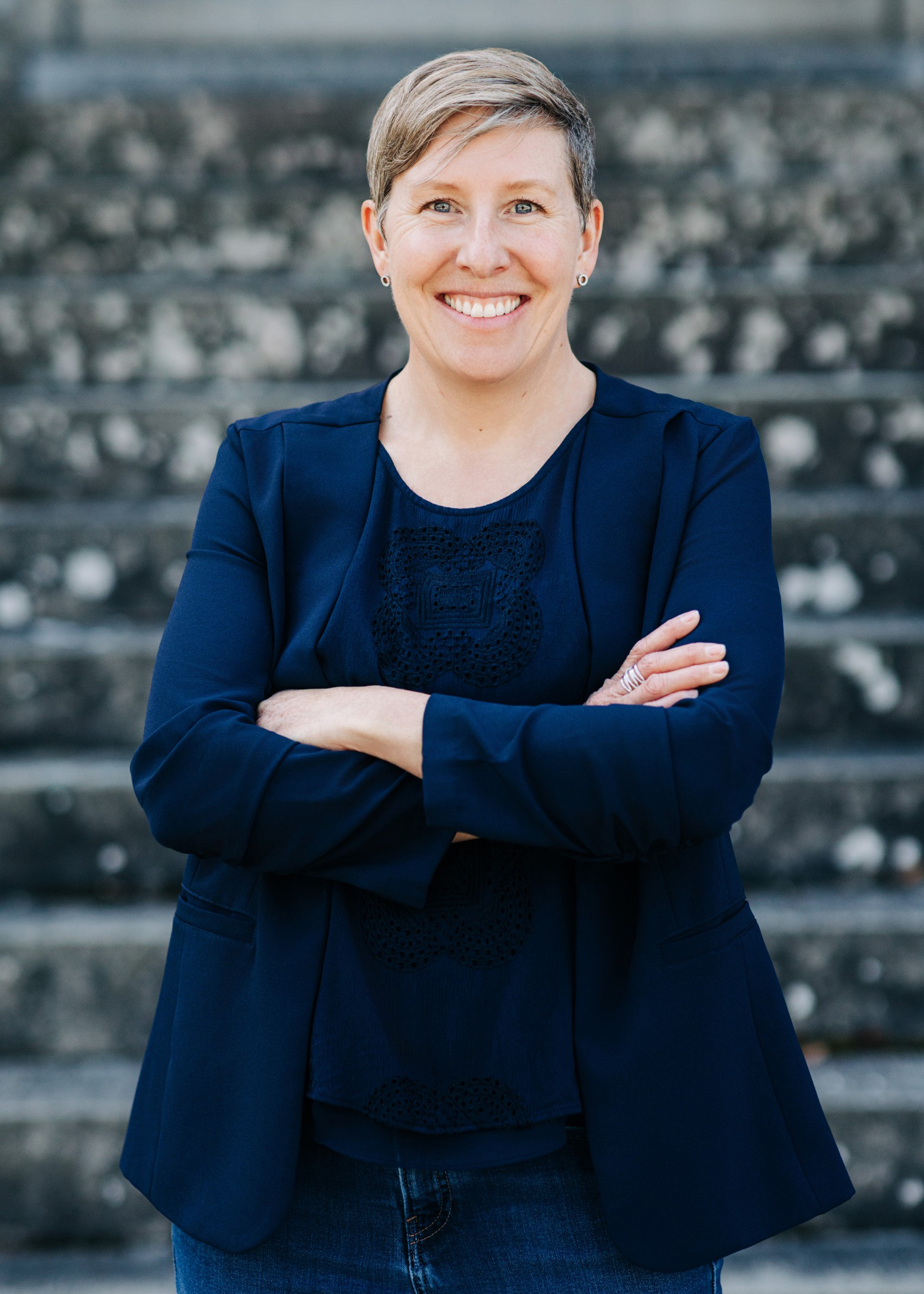
Cathy Off, Ph.D., CCC-SLP
President, ANCDS
[email protected]
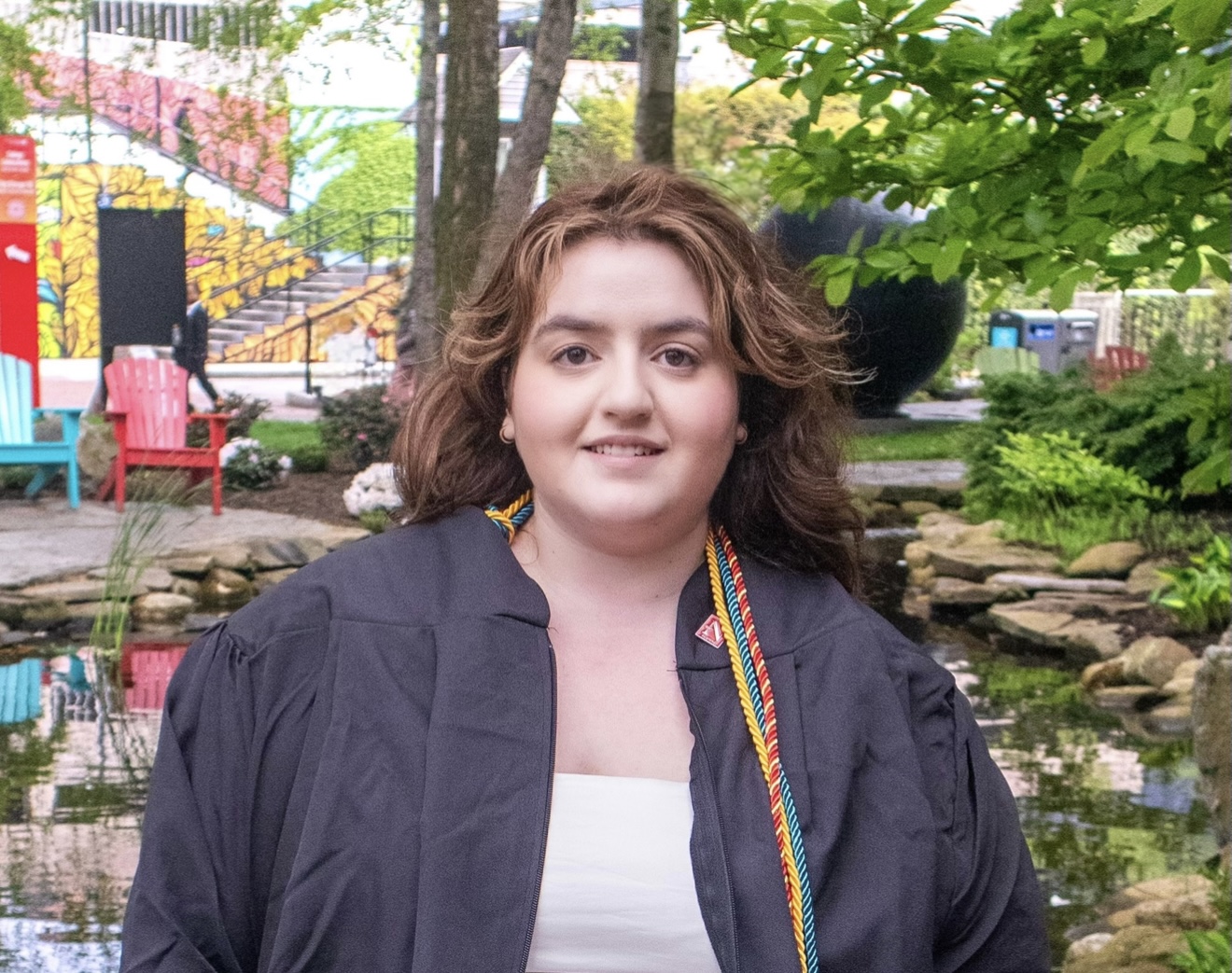
Student Fellow Spotlight: Cassandra Alves
Name: Cassandra Alves, M.S.
Earned Degree(s): B.S. Speech-Language Pathology and Audiology, M.S. Speech-Language Pathology
Program of Study/Year in Program: Recent graduate of Northeastern University’s SLP program
Mentor/Advisor: Dr. Erin Meier
ANCDS Fellow Mentor: Catherine Castillo, M.A., CCC-SLP, CBIS
Area(s) of research, teaching, and/or clinical interest: Tracheostomy and ventilator-dependent patients, dysphagia, and best rehabilitation practices for stroke and TBI recovery
Why were you interested in the ANCDS student fellow program?
I was interested in the ANCDS Fellow Program because I have always had a strong interest in neuro and neuroanatomy. My interest in neuro really grew during my time as a rehab aide at Spaulding Rehabilitation Hospital in Charlestown, where I was able to see patients recovering from strokes and TBIs and learn more about the rehabilitation process. I also had the opportunity to be a TA for Northeastern’s Neurology of Communication course, which further increased my interest in neurogenic communication disorders. I wanted to continue learning about the field, meet people who shared similar interests, and learn more about the different paths people have taken within neuro.
(Continue Reading)
Clinical Aphasiology Conference – Reflection and Connection
By Sarah Kiefer Luhring, M.A., CCC-SLP, ATP
Attending the 2026 Clinical Aphasiology Conference (CAC) in Pittsburgh was especially meaningful after nineteen years of practice as a speech-language pathologist. CAC continues to offer a rare space where research, clinical innovation, and the lived experiences of people with aphasia (PWA) converge. This year’s conference reinforced a principle that has guided my work: effective aphasia care must be evidence-based, participation-focused, and sustained by collaboration.
(Continue Reading)
Board Certification Spotlight
Congratulations to Olga Johnson, M.S., CCC-SLP, BC-ANCDS, on earning her ANCDS Board Certification in neurologic communication disorders!
Olga Johnson, MS, CCC-SLP, BC-ANCDS, is a speech-language pathologist with 15 years of experience. Since earning her Master of Science degree in Communication Sciences and Disorders from Northern Arizona University, she has worked with adults across a variety of medical settings, including skilled nursing facilities, home health agencies, long-term acute care hospitals, acute care, and outpatient rehabilitation. Over her seven years at Baylor Scott & White Medical Center – Lake Pointe in Rowlett, Texas, she has developed a particular clinical interest in neurological communication disorders.
Olga has presented on communication disorders and the use of augmentative and alternative communication (AAC) technology at two international conferences. In 2025, she presented on primary progressive aphasia at the Texas Speech-Language-Hearing Association annual convention. She founded and continues to facilitate a support group for individuals with Parkinson’s disease and has provided annual educational presentations on the neurological basis of cognitive impairment, treatment strategies, and emerging research.
Congratulations to Tyler Roman, M.A., CCC-SLP, BC-ANCDS, on earning his ANCDS Board Certification in neurologic communication disorders!
Tyler earned his bachelor’s degree in Speech and Hearing Science from The Ohio State University and his master’s degree in Speech-Language Pathology from Ohio University. He is currently completing his clinical doctorate in speech-language pathology at Moravian University. Tyler began his career in inpatient rehabilitation, where he practiced for seven years while also working PRN in acute care, before transitioning to outpatient neurological rehabilitation. His primary clinical interests center on patient-centered care for individuals with acquired and progressive neurological conditions, particularly aphasia and cognitive-communication disorders.
For Tyler, achieving board certification through ANCDS reflects the growth he has made as a neurologic clinician and his continued commitment to providing thoughtful, evidence-based care to individuals with neurologic communication disorders.
Fall Mentoring Sessions: ANCDS Board Certification
Take your clinical credentials to the next level with expert guidance.
Are you an SLP looking to demonstrate advanced expertise in neurologic communication disorders? Join our comprehensive 6-session mentorship program designed to guide you step-by-step through the Academy of Neurologic Communication Disorders and Sciences (ANCDS) Board Certification process.
What You Will Gain
- Process Overview: A detailed, clear roadmap of the entire board certification journey.
- Case Selection Tips: Insider guidance on choosing strong clinical cases that effectively highlight your advanced knowledge.
- Pitfall Avoidance: Key strategies to help you navigate common writing mistakes and clinical oversights.
- Revision Strategies: Actionable advice on successfully addressing reviewer feedback and requested revisions.
Program Highlight
Real Case Study Walkthrough: We will break down an actual, successfully passed written case study section-by-section to show you exactly how it met ANCDS board certification standards.
Event Details
- Program Structure: 6 Interactive Mentoring Sessions (Sept. 20, Sept. 28, Oct. 4, Oct. 12, Oct. 19, Oct. 26)
- Target Audience: Speech-Language Pathologists pursuing or considering ANCDS Board Certification
- Location: Virtual sessions via Teams
- Registration: Please indicate your interest here. You will be sent an invitation to the sessions. There is no cost to attend!
Learn more about Board Certification
Committee Updates
Communications Committee
Welcome to our new Social Media lead, Fatima Eldes! Please help us extend a huge thanks to outgoing Social Media lead Claudia Raines, M.S., CCC-SLP, for her contributions and helping us grow our following across the board with her engaging content! If you haven't done so yet, be sure to follow us on Facebook, Instagram, and LinkedIn to stay up to date with all the latest news.
Development Committee
Sponsorship opportunities are now available!
Why sponsor ANCDS? Connect with a specialized professional community advancing care, research, and education in neurologic communication disorders.
Sponsorship offers an opportunity to:
- Increase brand visibility with a targeted professional audience
- Align your organization with an established, mission-driven professional community
- Showcase your products, services, or support for the field
- Help keep meeting registration affordable and accessible
Become a Sponsor
Education & Standards Committee
Registration is now open for the 2026 ANCDS Annual Scientific & Business Meeting. This year's theme is "Motor Speech Disorders Across the Lifespan: From Foundational Perspectives to Practice Innovations." We have a dynamic lineup of speakers planned, and we are excited to see you all in Indianapolis. Register now!
Membership Committee
The ANCDS Membership Committee is seeking volunteer mentors for our 2026 Student Fellowship Award recipients. All ANCDS members are eligible to serve as mentors.
Fellowship recipients receive complimentary registration for the ANCDS Annual Scientific Meeting and ANCDS membership for one calendar year. Because many of these students will be attending the conference for the first time, mentors can play an important role in welcoming them to the ANCDS community, helping them navigate the meeting, and supporting their professional development.
If you are interested in serving as a mentor or have any questions, please email Membership Committee Chair Kim Eichhorn, M.S., CCC-SLP, ATP, BC-ANCDS, at [email protected].
Race, Equity, Diversity, and Inclusion (REDI) Committee
The REDI Committee is looking for new members!
Are you committed to infusing REDI principles in your clinical, research, or pedagogical work? If so, our committee would love to add you to our ranks. We welcome any and all ANCDS members—whether you’re a full member, clinical fellow member, student member, or life member—to join our committee as soon as this fall! We are especially interested in recruiting student members at this time. If you’re interested in learning more about this wonderful committee (or joining straight away!), email Committee Chair Victoria Tilton-Bolowsky at [email protected] for more information.
REDI Committee is launching a guest speaker recommendation form
The ANCDS REDI Committee is developing a repository of potential speakers and experts whose work relates to topics such as race, equity, diversity, inclusion, ability, culture, and bilingualism/multilingualism within neurogenic communication disorders. This repository will help ANCDS identify potential speakers for webinars, conference presentations, panels, and educational programming. We invite ANCDS members and colleagues to recommend individuals whose work may contribute to these discussions. Submitting a recommendation does not guarantee a speaking invitation but helps the committee identify potential experts.
Please fill out this form to share suggestions for potential guest speakers or nominate speakers whose work focuses on Race, Equity, Diversity, and Inclusion (REDI) topics. Your input helps shape future ANCDS programming!
View All Committees and Get Involved
Montana Speech-Language-Hearing Association
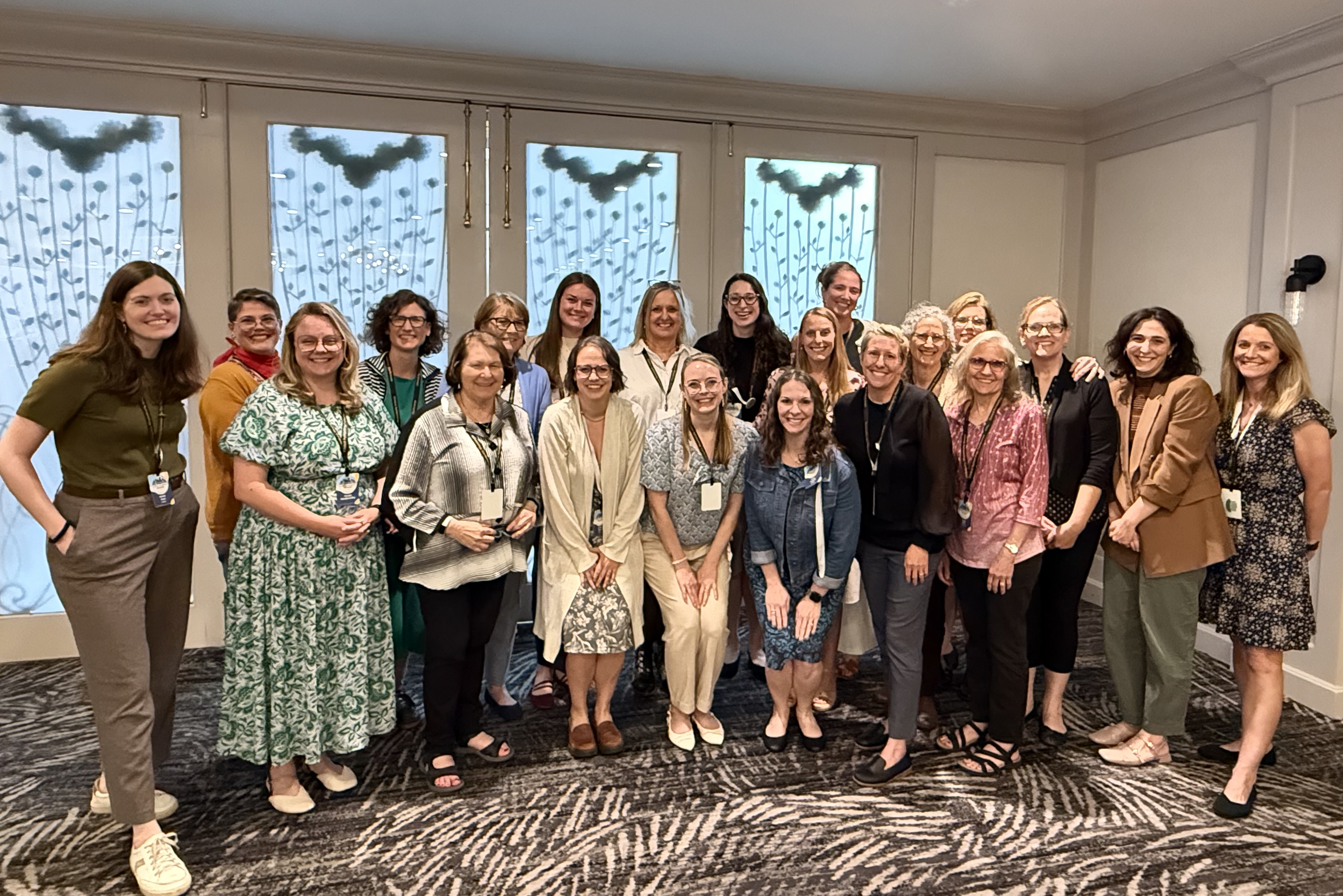
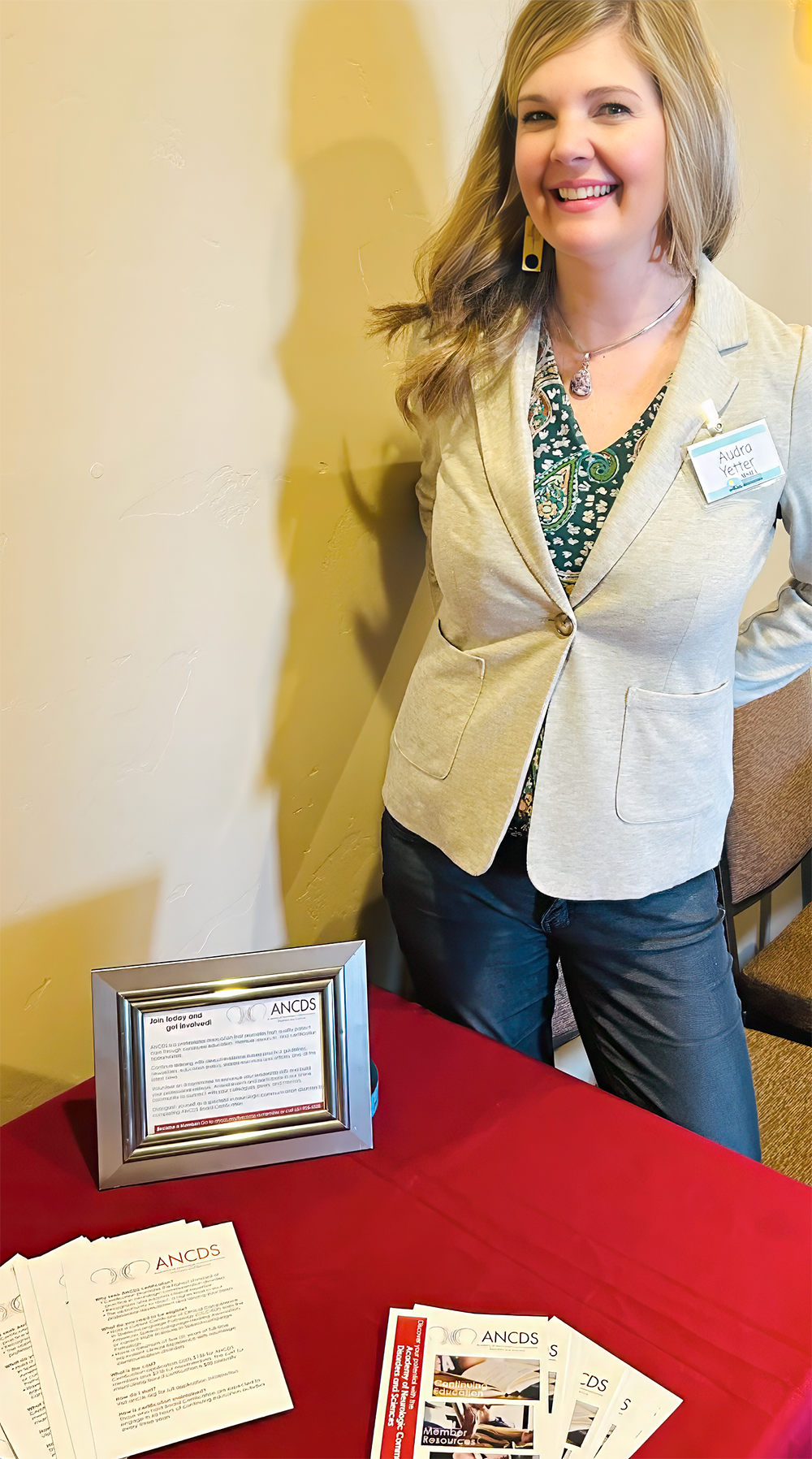
Chair of the Board of Clinical Certification Audra Yetter, M.S., CCC-SLP, BC-ANCDS, ADHD-CCSP, represented ANCDS at the Montana State Speech-Language Hearing Association (MSHA) conference in April 2026. Below she shares her feedback from the booth that may be helpful for any fellow members who are staffing an ANCDS table at a future conference, or for any members who want to do some ANCDS myth-busting when speaking with colleagues.
|
|
"It was surprising to me that most participants hadn't heard of ANCDS and then the misconception that one had to be Board Certified to be a member. Everyone was also surprised about the range of member benefits and the community available for neuro people. Additionally, I've been recently back in touch with a colleague who just finished a PhD in a related speech-language area and was also surprised that they had the same impression—they initially had the thought that they had just done a PhD and didn't want to put themselves through board certification; they did not realize that most members are not Board Certified.
Another piece of feedback from them was not being aware of the 'home' that's available in ANCDS for science that is directly for the purpose of patients, above existential scientific questions, which they found extremely appealing. I shared with many attendees that the original founders of ANCDS were clinician-scientists and really our output has been 'practical' married with cutting-edge neuroscience informed information. I think of the evidence tables from the writing groups in the early 2000s depicting interventions for dysarthria across various subsystems—that was my 'hook' as a graduate student that really put ANCDS on my radar.
Something I shared with all (at the table and the colleague I just mentioned) was that ANCDS stands out to me as [a place] where I always walk away with really good tangibles for clinical service, whether it's the Scientific Meeting, webinars, writing groups output, etc. This was definitely something that those who knew a little about ANCDS didn't expect; the 'brand image,' if you will, that seems to be out there is existential and research predominant vs. more directly impacting patients' lives. Hopefully that is something we can keep working on and really illustrate the fusion, balance, and bidirectionality between both!"
ASHA Announcements
New Speech-Language Pathology Treatment Codes Replacing 92507: Learn about the new code set and how to prepare your practice for the transition.
NEW Evidence Maps:
The Autoimmune Diseases and Functional Neurological Disorder (FND) Maps each provide summaries of synthesized research on screening, assessment, and treatment across speech, language, cognition, swallowing, hearing, and vestibular function in adults and children. Both populations are underrepresented in the neurologic communication disorders literature, and these new resources are a useful starting point for clinicians and researchers exploring these areas.
NEW Demonstrating Your Value fact sheets:
- Instrumental Swallowing Assessment — summarizes the added benefit of SLP-led instrumental assessment (FEES, VFSS) for individuals with dysphagia, including those with stroke, tracheostomy, or infants in the NICU. Research findings show that these procedures are well-tolerated, low-risk, and essential to accurate diagnosis.
- Pediatric Cost Savings — documents cost savings from SLP involvement with infants and children, with findings such as shorter NICU stays for medically complex infants and reductions in G-tube placements among children with dysphagia.
Also, be on the lookout—a companion fact sheet on cost savings following adult SLP services is currently in the end stages of development and should go live soon! These printable PDFs are designed to be shared directly with administrators, payers, and referral sources. Suggestions for future topics can be sent to ASHA's National Center for Evidence-Based Practice at [email protected].
NOMS Data Snapshots and Interactive Reports:
Data from ASHA's National Outcomes Measurement System (NOMS) shows that adults with aphasia continue to make measurable gains with speech-language pathology treatment even in the chronic phase of recovery. View and share this and other Data Snapshots that highlight findings from NOMS SLP data. Explore Interactive Reports for an in-depth look at national SLP outcomes data across a variety of populations and settings. These free member tools can be used for advocacy, education, and demonstrating the impact of SLP services on neurologic populations.
National Aphasia Association Updates
The NAA is seeking a Volunteer Coordinator!
Do you know a family member, neighbor, or student who would like to help the National Aphasia Association? We are seeking someone who can help recruit and respond to volunteer inquiries, match volunteers to opportunities within the NAA, monitor volunteers, and coordinate with our organizational staff. This is an unpaid position for 5-10 hours per week.
This would be a great opportunity for a student either in SLP or in a related field, including nonprofit management. Family members or supportive others are also welcome to apply. We are particularly interested in people with some related experience since the successful candidate will be the first at the NAA and will help to establish the position.
For a complete job description, questions, or other inquiries, please contact:
Jackie Hinckley, Ph.D.
Chair of the Board of Directors
Email: [email protected]
Phone: 965-262-7756
Your ongoing support is greatly appreciated!
Upcoming Meetings and Conferences
Friday, September 25, 2026, 12:30 – 4:45 pm ET | Online
Speaking Out 2026: From Awareness to Advocacy
An event by the National Aphasia Association for people with aphasia, by people with aphasia
More info and registration: https://aphasia.org/event/speaking-out-conference-2026/
October 8-11, 2026 | Philadelphia, PA
15th International Conference on Frontotemporal Dementias
Register: https://isftd2026.org/registration
Member Accomplishments
Do you have exciting news, a recent publication, or know of an upcoming conference that you want to share with fellow members? Include it in the next ANCDS newsletter! Please submit items of interest using this online form.
Member Announcements:
Griffin-Musick, J., Conkle, S., Off, C.A., & Jensen, T. (November 19, 2026, 1:00–2:00pm). Stakeholder Perspectives on Implementing a Telehealth Community Aphasia Group for Rural Populations. Accepted 1-hour in-person seminar, American Speech-Language-Hearing Association Annual Convention, Indianapolis, IN.
Karen Kluin, M.S., CCC, BC-ANCDS, and Tonav Popli, M.D., had an in-person poster presentation titled: "Word Deaf Variant Primary Progressive Aphasia: An Unusual Presentation of Unclassified Fluent Aphasia with Right Hemisphere Language Dominance” at the International Conference on Primary Progressive Aphasia-Advancing Interdisciplinary PPA Research and Care in London, England on July 16, 2026.
Off, C.A. (November 19, 2026, 10:30am–12:30pm). From Evidence to Practice: Implementing ICAP Core Components in Everyday Aphasia Rehabilitation. Invited 2-hour in-person Short Course, American Speech-Language-Hearing Association Annual Convention, Indianapolis, IN.
New research on motor speech interventions for corticobasal syndrome by Dr. Whitney Postman and her co-authors was featured on LSVT Global's blog in a post entitled, "LSVT LOUD and Ultrasound Imaging: New Insights for Corticobasal Syndrome."
Victoria Tilton-Bolowsky was awarded a Davetrina Seles Gadson Health Equity Mini-Grant from the National Aphasia Association for a collaborative project with her colleagues at the Johns Hopkins School of Medicine for a project titled, "A re-examination of the relationship between race, lesion size, and aphasia severity: A partial replication."
You V, Tilton-Bolowsky V, Bunker L. Examining the relationship between stroke lesion size and aphasia severity at different stages of recovery in Black and White stroke survivors. Clinical Aphasiology Conference. Pittsburgh, PA, USA. NIDCD Research Symposium in Clinical Aphasiology (RSCA): Invited Speaker.
Rene Utianski was interviewed for the article "What to Know About the New Code for Primary Progressive Apraxia of Speech," published in The ASHA LeaderLive on July 24, 2026.
Member Publications:
Blake, M. L., Ferré, P., Murray, L., Hewetson, R., Johnson, M., Durfee, A. Z., Minga, J., Sheppard, S. M., & Love, A. (2026). Understanding right hemisphere language disorders through a half-century of research: A systematic review. American Journal of Speech-Language Pathology. https://doi.org/10.1044/2026_AJSLP-25-00294
Duffy, J.R., McNeil, M.R., Ballard, K.J., Botha, H., Clark, H.M., Fossett, T.R.D., Fredericks, G., Josephs. K.A., Meade, G., Robin, D.A., and Utianski, R.L. (2026). Commentary on Progressive Apraxia of Reading. Cortex, 199, 194-201. DOI: 10.1016/j.cortex.2026.03.019
Duffy, J.R., Utianski, R.L., Strand, E.A., and Clark, H.M. (2026). A Response to Mailend ML, Jacks A, Haley KL. Refined Operational Definitions for the Apraxia of Speech Rating Scale. American Journal of Speech, Language, Hearing Research. DOI: 10.1044/2025_AJSLP-25-00318
Europa, E., Mamuyac, E., Bondoc, I. P., Costales, A. A., Santos, B., Olarte, J. A. A., & de Leon, J. (2026). Towards an Equitable Approach to Multilingual Language Assessment in Dementia Care. Topics in Language Disorders, 46(3), 106-117. https://doi.org/10.1097/TLD.0000000000000387
Hausmann, A., García, A.M., Costa, A. S., Bose, A., Tee, B.L., Rivera-Fernandez, C., Europa, E., Kavé, G., Sung, J. E., Okada de Oliveira, M., Wigdorowitz, M., Garraffa, M., Carthery-Goulart, M. T., Kleiman, M. J., Friedmann, N., Mazzeo, S., Diouny, S., Franzen, S., Toniolo, S., Grasso, S. M., Bak, T. H., & Borghesani, V. (2026). Redefining the norms: an interdisciplinary perspective on language testing in multilingual patients. Alzheimer's & Dementia: Diagnosis, Assessment & Disease Monitoring. https://doi.org/10.1002/dad2.70366
Hinckley, J., Kaploun, L., O'Connor Wells, B. & Morris, M. (2027). Interprofessional aphasia assessment with discharge planning: Hospital inpatient (adult). In: Smith, J. (Ed.), Simulations for Speech-Language Pathology: A Compendium of Cases in Medical SLP (First Edition). Cognella: https://titles.cognella.com/simulations-for-speech-language-pathology-9798823388429#
Miller, J., & Schliep, M. E. (2026). Posttraumatic amnesia and language impairments: Reported diagnostic practices of hospital-based speech-language pathologists. American Journal of Speech-Language Pathology, 35(4), 1644–1666. https://doi.org/10.1044/2026_AJSLP-25-00523
Cote, K., Suting, L., Bhattacharjee, A., & Mozeiko, J. (2026). What Is Happening at Home? An Analysis of the Impact of Real-World Communication and Daily Activities on Quality of Life for People With Aphasia. American Journal of Speech-Language Pathology, 1-19.
Suting, L., & Mozeiko, J. (2026). Neural reorganization after aphasia therapy: a scoping review of resting-state functional connectivity changes. Aphasiology, 40(4), 666-694.
Postman, W. A., Bonfatti Sabbioni, M. T., Elledge, R., Barbieri, E., & Raggi, R. (2026). Adaptation of the Quick Aphasia Battery into Italian: an interdisciplinary and international collaboration. Aphasiology, 1–23. https://doi.org/10.1080/02687038.2026.2691164
Postman, W.A., Leisure Schmiedeskamp, K., & Payne Weckbach, M. (2026). Lee Silverman Voice Treatment with ultrasound intra-oral imaging for motor-speech intervention in a case of corticobasal syndrome. Perspectives of the ASHA Special Interest Groups, 11(4), 1483-1499. https://doi.org/10.1044/2026_PERSP-25-00251 Supplemental materials
Cohen, M. L., Lanzi, A. M., Rothbart, A., Keatley, E., Seagly, K. S., Strong, K. A., Paul, D., & Sohlberg, M. M. (2026, June). Promoting brain health in the context of normal aging and mild cognitive impairment: A tutorial. American Journal of Speech-Language Pathology. https://doi.org/10.1044/2026_AJSLP-25-00494
Griffin-Musick, J., Scharp, V., Off, C., Conkle, S., Fahey, D., & Phelan, M. (2026). “The data comes more smoothly now”: a qualitative feasibility study of student experiences with intensity tracking in ICAPs. Aphasiology, 1–29. https://doi.org/10.1080/02687038.2026.2663788
Strong, K. A. (2026, April). Building therapeutic alliances in aphasia rehabilitation: Developing relational competencies through narrative practice. Seminars in Speech and Language, 47(2), 59-70. https://doi.org/10.1055/a-2845-0475
Strong, K. A. (2026, June). "Building boats and riding bikes": One-year longitudinal study of identity and life participation following narrative co-construction in aphasia. Aphasiology, 1-21. https://doi.org/10.1080/02687038.2026.2686781
Tilton-Bolowsky V, Raman A. An observational, cross-sectional examination of circumlocution ability in acute left-hemisphere stroke survivors as an estimative behavioral measure. Archives of Physical Medicine and Rehabilitation. Article in press. https://doi.org/10.1016/j.apmr.2026.05.010
Tran, K., Utianski, R.L., Berisha, V., Liss, J.M. Accepted. Acoustic and Perceptual Characteristics of Compressed Dysarthric Speech: Implications for Teleassessment. Journal of Speech-Language-Hearing Research. DOI: 10.1044/2026_JSLHR-24-00726
Turner, T., Christensen, S., Ayala, P., Venkatesh, M. (2026). Preparedness of Arizona Speech-Language Pathology, Physical Therapy, and Occupational Therapy Practitioners Caring for People Living with Dementia. American Journal of Educational Research. 14(7):230-239. doi: 10.12691/education-14-7-5.
|